Unable to load Elementor template. Please ensure Elementor is active and the template ID is valid.
Looking for a unique and elegant canary?
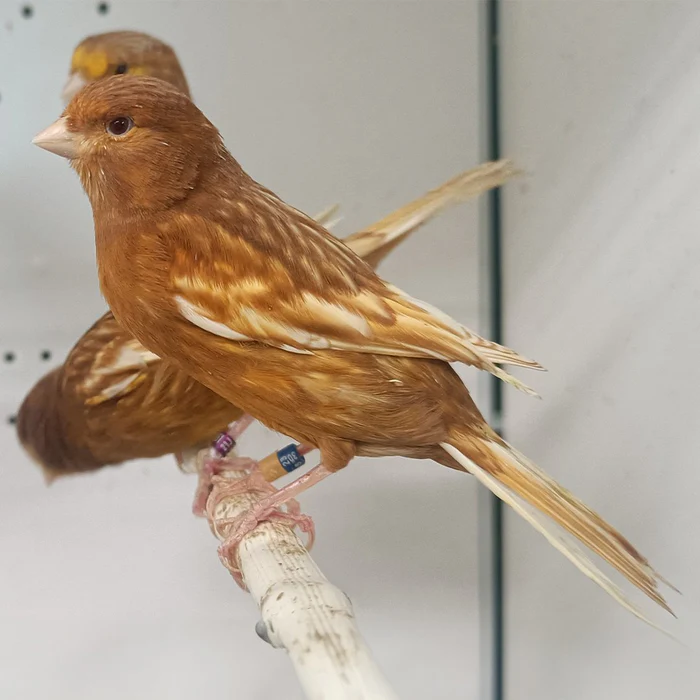
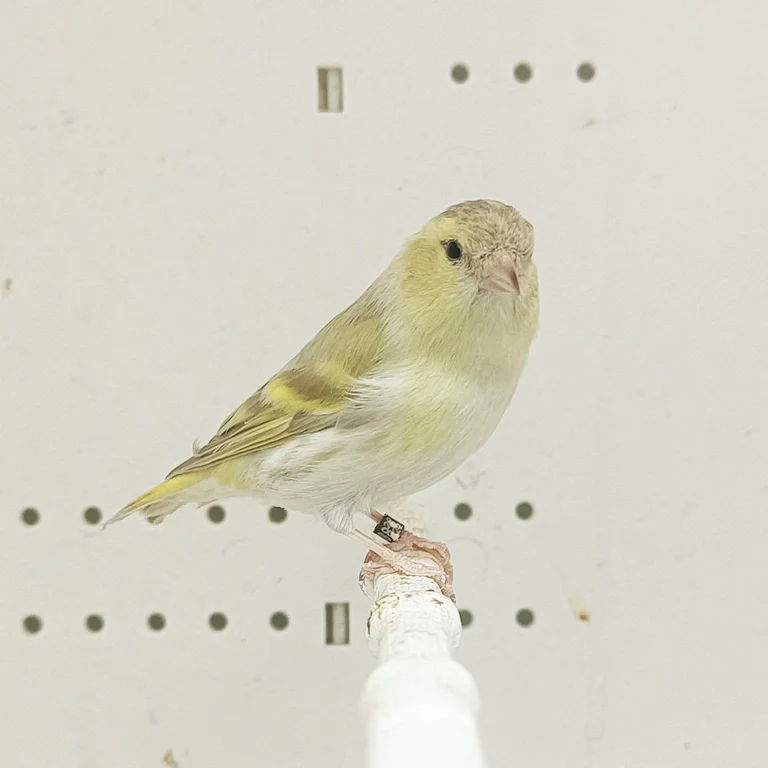
Aviora Haven presents the Scotch Fancy Canary (
Serinus canaria domesticus), also known as the Scottish Canary, Glasgow Hen, Glasgow Don, Scot Fancy, Glasgow Fancy Canary, or Bird O'Circle.
The Scotch Fancy Canary is an old posture breed that was developed in Scotland. It became extremely rare around the early 1900s, but dedicated breeders have worked to preserve this distinctive variety.
Because of its rarity and specialized appearance, the Scotch Fancy Canary may be best suited to experienced bird keepers and serious breeders.
History of the Scotch Fancy Canary
The Scotch Fancy Canary was developed from imported Belgian Canary stock during the early 1800s. By the 1830s, selective breeding in Glasgow had produced a distinctly different variety.
Unlike "type" canaries such as the Border Canary or Yorkshire Canary, the Scotch Fancy is classified as a
"bird of position." Its ideal posture is particularly distinctive.
Traditionally, breeders sought a bird whose shape, from the tip of the beak to the tip of the tail, resembled the rim of a circle. The closer the bird came to this characteristic curved shape, the higher it could be judged in competition.
Size
The Scotch Fancy Canary can reach approximately
7 inches in length.
Lifespan
With proper care, nutrition, housing, and regular attention to its health, a Scotch Fancy Canary can live approximately
8–12 years.
Temperament and Housing
Scotch Fancy Canaries are valued for their distinctive posture and elegant appearance. Because they are a specialized posture breed, they may not do well in an overly large or crowded aviary, particularly when housed with competing species.
For the best results, many keepers prefer to house a pair in a suitable flight or breeding cage.
A cage measuring at least
24 inches wide by 18 inches deep by 24 inches high can provide a comfortable living space. Provide several perches with different widths so the bird can change its grip and help reduce excessive wear on its feet.
You can also provide safe toys such as swings and bells for enrichment. Mirrors may not be suitable for every bird because they can sometimes encourage unwanted behavioral changes.
Scotch Fancy Canaries should also be protected from mosquitoes and other potential environmental hazards.
Song and Call
Although the Scotch Fancy Canary is primarily valued for its posture and appearance, it can also have singing ability.
Male canaries typically stop singing during their annual molt. If a male does not resume singing after the molt, it may be worth consulting an avian veterinarian to rule out an underlying health concern.
Diet
A nutritious and balanced diet is essential for keeping your Scotch Fancy Canary healthy.
A suitable diet can include:
- High-quality canary seed
- Australian Blend Goldenfeast
- Dried egg food
- Millet spray as an occasional treat
- Fresh, bird-safe greens
- Small amounts of suitable fresh fruits and vegetables
Healthy greens such as unsprayed chickweed, dandelion greens, and oregano can provide variety. Small portions of vegetables such as broccoli and fruits such as apples or apricots can also add additional nutrients and variety to the diet.
Always provide fresh, clean drinking water.
Caring for Your Scotch Fancy Canary
Scotch Fancy Canaries require a clean, secure, and comfortable environment. Regularly clean the cage, perches, food dishes, and water containers to help maintain good hygiene.
Because this is a rare and specialized canary breed, attentive care and proper housing are especially important. Providing a calm environment, appropriate nutrition, exercise, and safe enrichment can help your bird remain active and comfortable.
Scotch Fancy Canary at Aviora Haven
At
Aviora Haven, we are committed to helping bird enthusiasts learn more about the unique characteristics and care requirements of companion birds. The Scotch Fancy Canary is an excellent choice for experienced canary enthusiasts who appreciate its history, distinctive posture, and elegant appearance.
Whether you are interested in the breed for companionship, exhibition, or breeding, understanding its specific needs is an important part of responsible bird ownership.