No products added!


Price range: $65.99 through $115.99
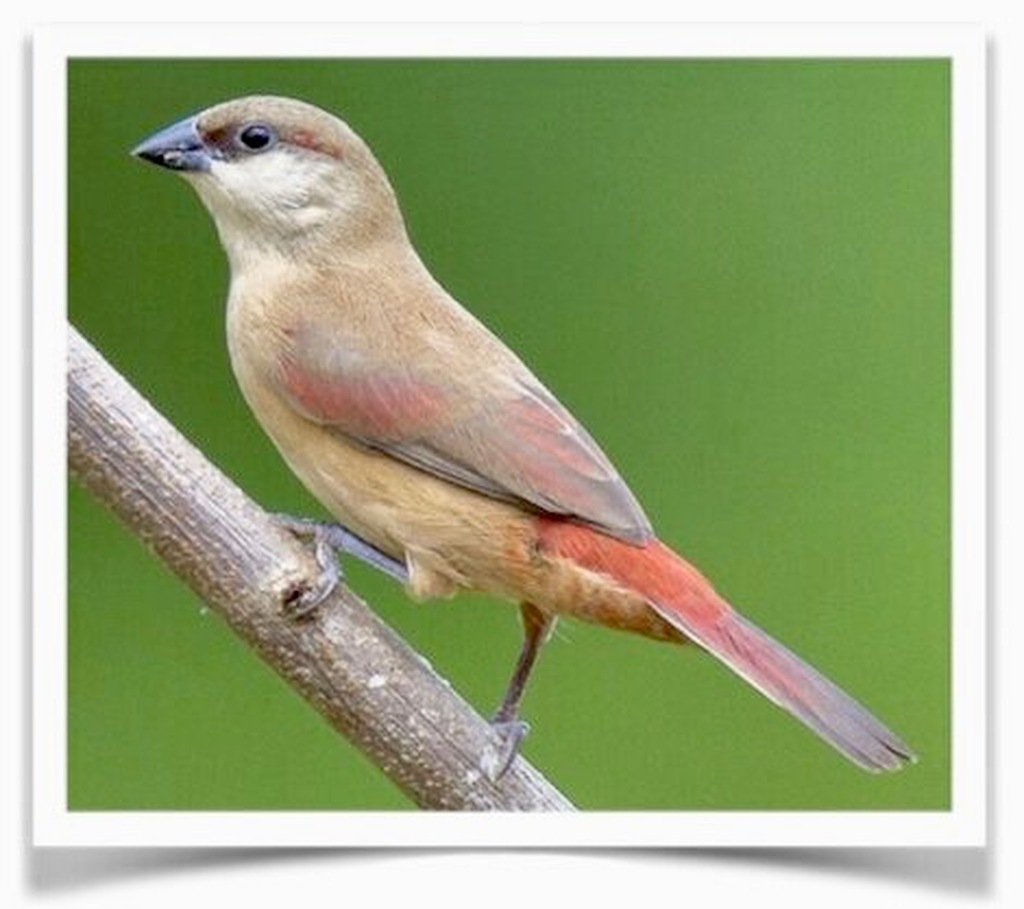
The Rosy-rumped Waxbill for sale, (Estrilda rhodopyga) also known as Crimson-rumped Waxbill is a common species of estrildid finch found in north-eastern Africa. It has an estimated global extent of occurrence of 830,000 km. It is found in Burundi, The Democratic Republic of the Congo, Djibouti, Egypt, Eritrea, South Africa, Ethiopia, Kenya, Malawi, Rwanda, Somalia, Sudan, Tanzania and Uganda. Rosey-rumped Waxbills have a dark brown-gray upper body color while the underparts are a light gray-beige color. They have a crimson eye stripe with crimson patches on the flight feathers and upper tail coverts. The beak and eyes are black while the legs are dark gray.
The Rosy-rumped Waxbill (Estrilda rhodopyga), also known as the Crimson-rumped Waxbill, is a beautiful estrildid finch native to northeastern and eastern Africa. At Aviora Haven, we recognize this species for its attractive coloring, gentle nature, and interesting aviary behavior.
Rosy-rumped Waxbills have a dark brownish-gray upper body and light gray-beige underparts. A striking crimson stripe runs through the eye. Crimson patches can also be seen on the flight feathers and upper tail coverts. Their eyes and bill are black, while their legs are dark gray.
Both sexes look very similar and can be difficult to distinguish visually. They may also be confused with Red-ear Waxbills.
Geography: East Africa, including Kenya, Ethiopia, and southern Sudan
Song / Call: Click here to hear the Rosy-rumped Waxbill song
Size: Approximately 4 inches
Lifespan: About 4 years
Sexing: Monomorphic. Males and females are visually difficult to distinguish.
Rosy-rumped Waxbills do best in a large, planted aviary. They appreciate dense vegetation and natural cover. They can also live with compatible species when enough space and shelter are provided.
These waxbills are naturally associated with damp grassy areas, especially around wetlands. They often nest among reed beds, tall grasses, riverside vegetation, and dense bushes.
During colder months, they should be kept warm and protected from harsh weather. Outdoor aviaries should provide adequate shelter from driving rain, cold winds, and excessive heat.
Rosy-rumped Waxbills are best suited to a peaceful, planted aviary. They enjoy areas where they can move through vegetation and seek cover.
At Aviora Haven, we recommend providing plenty of natural foliage and sheltered areas to help these birds feel secure.
Rosy-rumped Waxbills can be more challenging to breed than Red-ear and St. Helena Waxbills. A large planted aviary dedicated to the species can improve breeding results.
Provide low bushes, shrubs, and concealed nesting areas. Globe-shaped nests made from grasses or moss are suitable. Since these birds naturally build nests in low vegetation, place nest sites in protected areas within the bushes. A few higher nesting locations can also be offered.
A varied diet helps support the health and condition of Rosy-rumped Waxbills. Suitable foods include:
During breeding, mealworms and other suitable protein sources can be particularly useful.
Rosy-rumped Waxbills are monomorphic, so determining the sex visually can be difficult. If a gender option is not available for a bird on the Aviora Haven website, DNA testing may be available.
DNA testing costs an additional $149 per bird and can add approximately 3–6 weeks to the estimated delivery time. This allows time for the gender results to be received.
For information about Rosy-rumped Waxbills, availability, care, and DNA testing, contact Aviora Haven.
| Sex | Male, Female, Pair |
|---|

Reviews
There are no reviews yet.