No products added!
Price range: $320.99 through $550.99
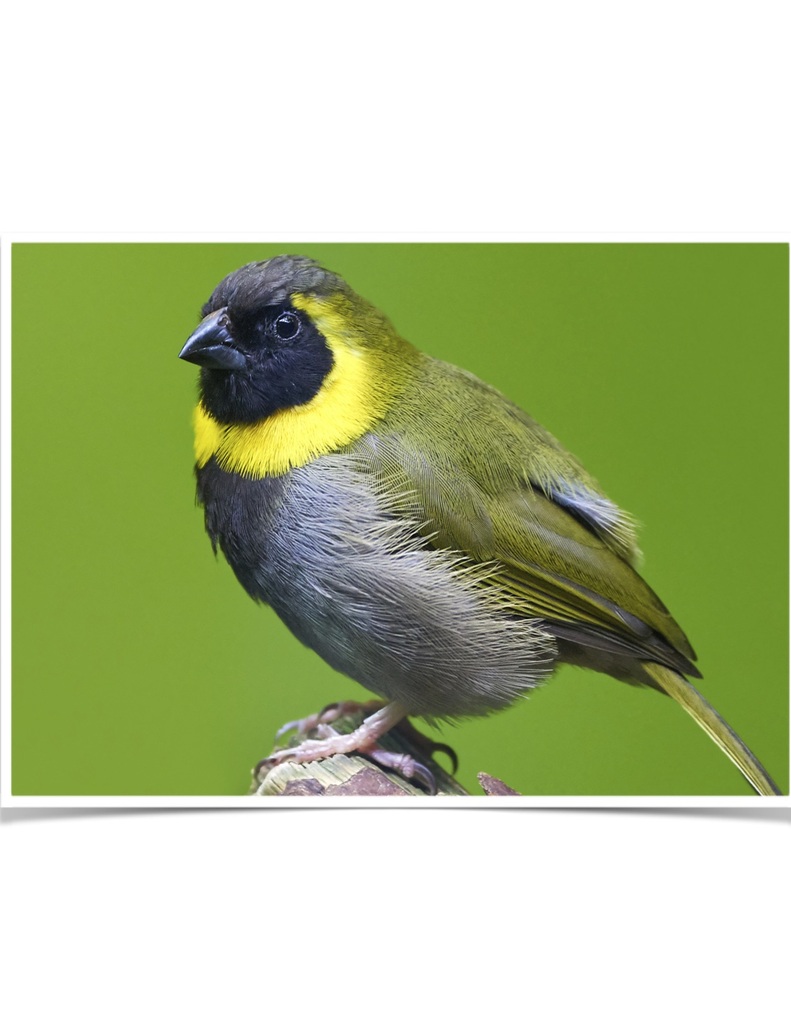
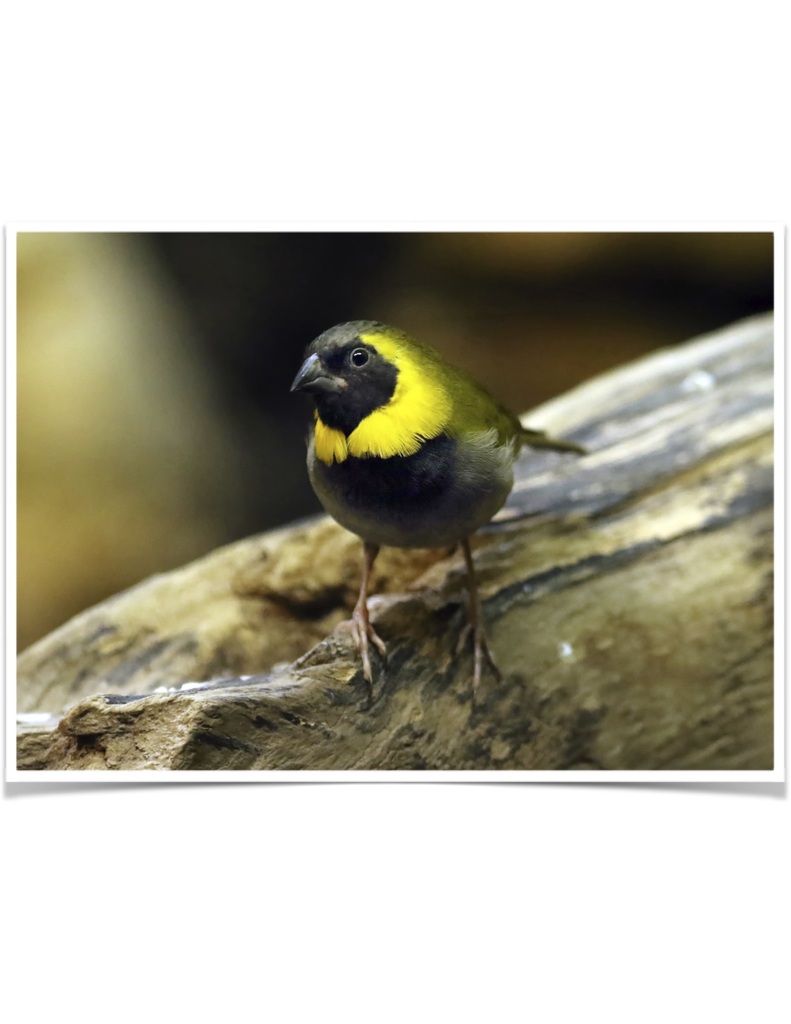
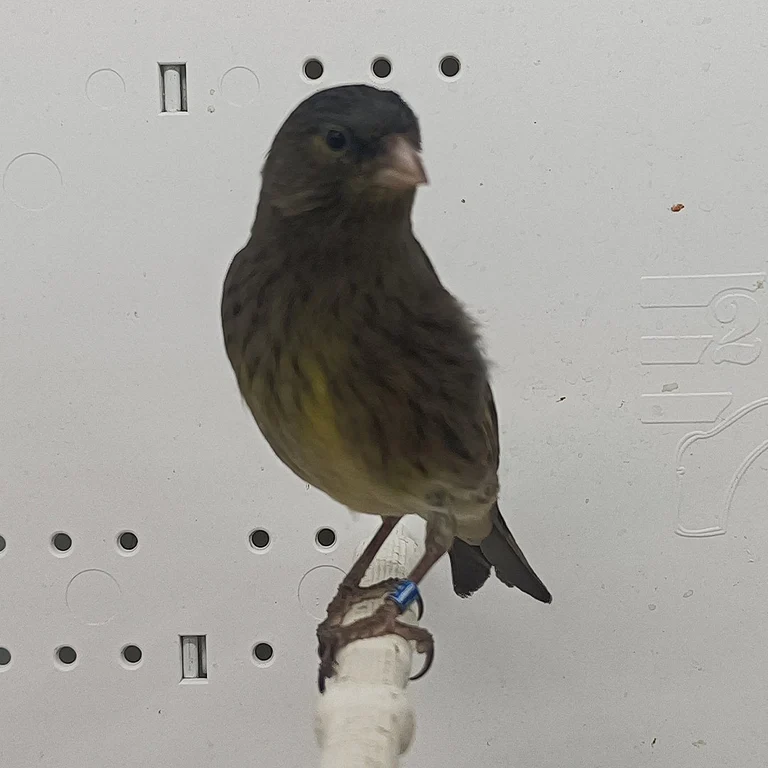
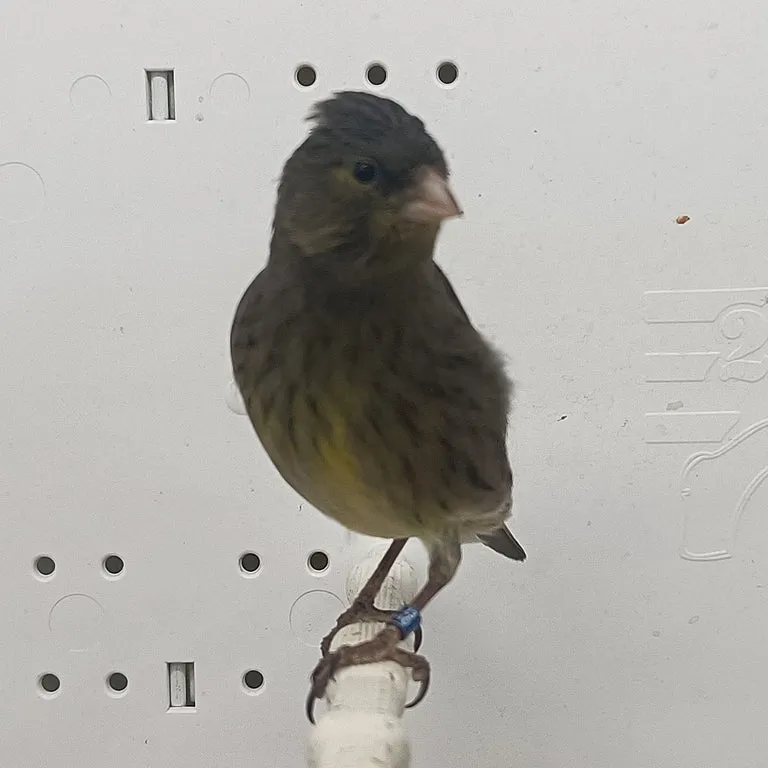
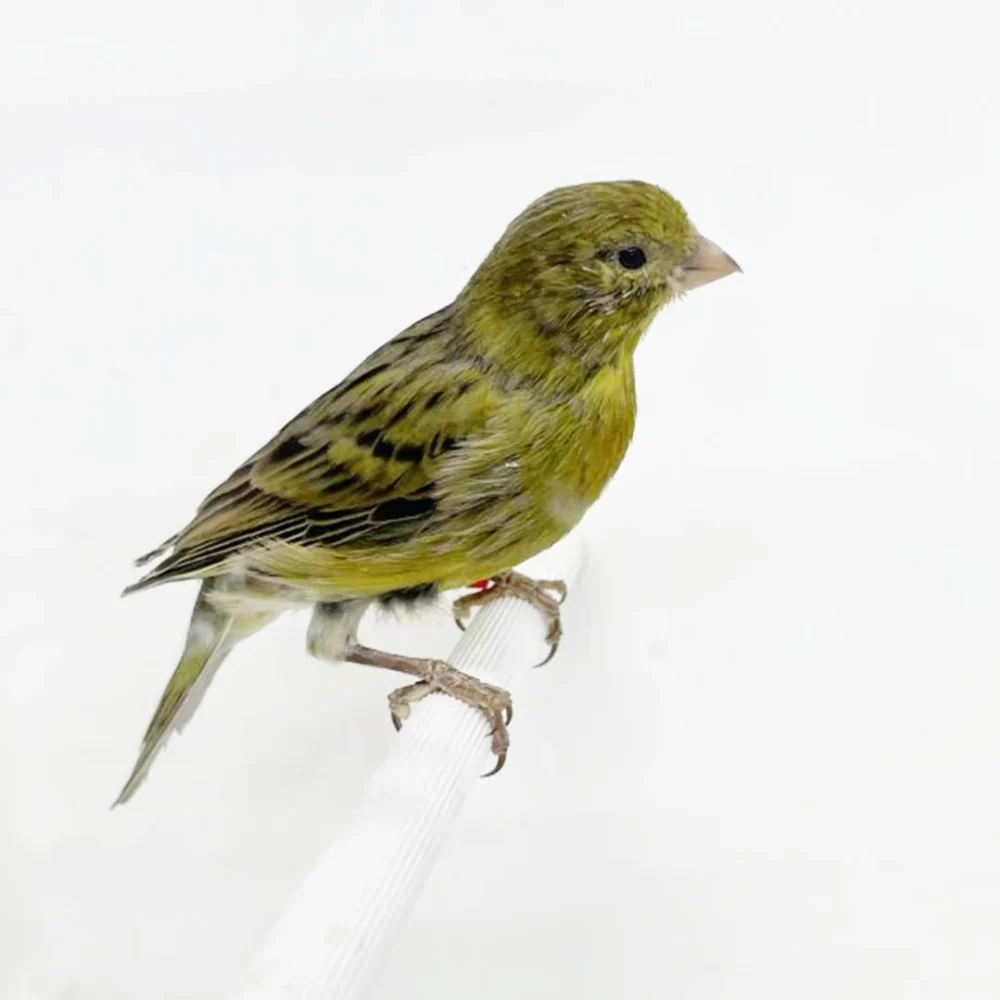
The Cuban Melodious Finch (Tiaris canora) for sale is also known as the Cuban Grassquit, Melodious Grassquit, Cuban Melodious Finch, Cuban Finch, Melodious Finch, Brown-cheeked Grossbeak, and Little Cuba Finch. This little finch has a black beak, face, chin and throat surrounded by a yellow crescent-shaped band, olive back, wings and tail, a black lower breast, dark grey belly, and tawny legs and feet. Juveniles appear as less defined with more brown than the hen. These spunky little finches are native to Cuba and the Isle of Pines.
The Cuban Melodious Finch (Tiaris canora) is a beautiful and active finch native to Cuba and the Isle of Pines. It is also known as the Cuban Grassquit, Melodious Grassquit, Cuban Finch, Melodious Finch, Brown-cheeked Grosbeak, and Little Cuba Finch.
At Aviora Haven, we appreciate the unique personality and striking appearance of this fascinating finch. Cuban Melodious Finches are best suited to experienced bird keepers who can provide a spacious, planted aviary.
The Cuban Melodious Finch is a small and colorful bird measuring about 3.5 inches in length and weighing approximately 0.21 ounces.
Adults have a black beak, face, chin, and throat surrounded by a distinctive yellow crescent-shaped band. Their back, wings, and tail are olive green. The lower breast is black, while the belly is dark gray. The legs and feet are tawny.
Juveniles are less clearly marked and generally have more brown coloring than adult females.
The Cuban Melodious Finch is known for its pleasant and sweet-sounding song. Its vocalizations add to the appeal of keeping this species in a suitable aviary.
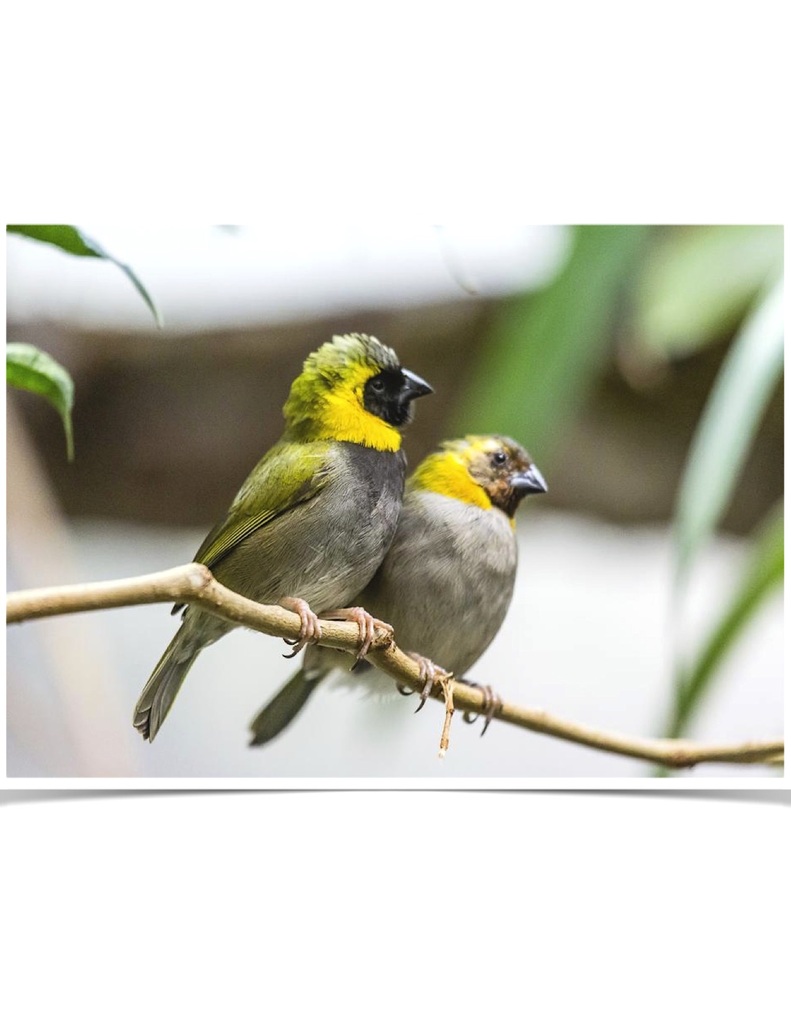
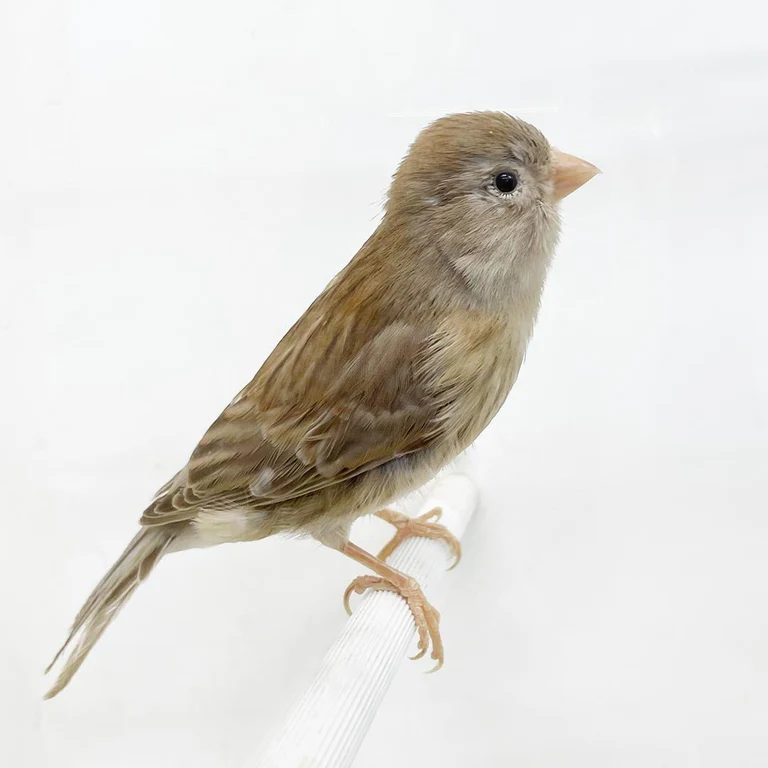
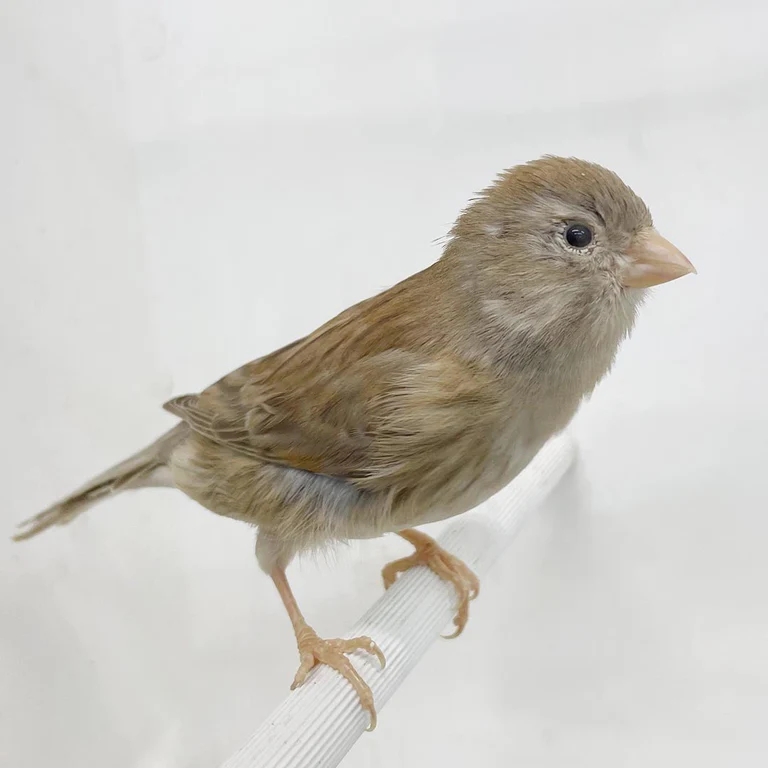
Cuban Melodious Finches are sexually dimorphic. Females are considerably duller than males.
The yellow markings on females are more brownish, while the black areas found on males appear more gray on females. These differences become easier to recognize in mature birds.
Cuban Melodious Finches are active birds that generally do best in a large, planted aviary rather than a small cage. They are considered a more challenging species and are often kept by experienced aviculturists.
Their personalities can vary considerably from bird to bird.
Male Cuban Melodious Finches can be extremely aggressive toward one another. For this reason, it is recommended to keep one compatible pair per enclosure.
They may also become aggressive toward birds with similar yellow or black plumage. Stress and overcrowding can make aggressive behavior worse. Providing plenty of space, vegetation, and visual barriers can help create a calmer environment.
Cuban Melodious Finches can also be prone to feather plucking when kept in stressful or overcrowded conditions. A spacious, well-planted enclosure gives them opportunities to move, forage, and retreat when needed.
These birds are ground feeders, so good hygiene and appropriate parasite-management practices are important. They should also be protected from cold temperatures and should not be housed below approximately 65°F, particularly during breeding.
Cuban Melodious Finches generally breed during the warmer spring and summer months. In the Northern Hemisphere, breeding may begin around April or May.
Birds between 2 and 4 years old are considered well suited for breeding.
Clutches usually contain 2–4 eggs, and pairs may produce two or three broods per season. Parents carefully maintain nest hygiene and remove waste from the nest.
Nestlings become more vocal at around 10 days old. After fledging, the male may continue feeding the young for approximately 10–14 days until they become independent.
Once young birds are independent, they should be separated when necessary, particularly young males, because mature males can become highly aggressive toward one another.
During breeding, provide additional egg food and small mealworms to support the parents and growing chicks.
A quality finch seed mix should form the foundation of the Cuban Melodious Finch’s diet. A suitable mix can include canary seed and various millets.
Sprouted seeds can provide additional nutritional value and are a useful addition to the diet. Fresh green seed heads should also be offered regularly.
Recommended foods include:
Fresh leafy greens are an important part of a varied diet. Spinach should be offered sparingly because excessive amounts may interfere with calcium utilization.
Live food is not always necessary, but Cuban Melodious Finches often readily consume small mealworms and termites during the breeding season.
A large, planted aviary is ideal for Cuban Melodious Finches. Provide plenty of vegetation and enough space for each pair to establish its own area.
Avoid overcrowding, as limited space can increase stress, aggression, and feather-plucking behavior.
At Aviora Haven, we recommend providing appropriate shelter, enrichment, fresh food and water, and a carefully managed environment when keeping this species.
The Cuban Melodious Finch is an attractive and energetic species with a distinctive appearance and pleasant song. However, its territorial behavior and specialized housing needs make it better suited to experienced bird keepers.
If you are looking for Cuban Melodious Finches online, Aviora Haven provides information to help avian enthusiasts understand the species and its care requirements before bringing these remarkable birds into their collection.
Note: Cuban Melodious Finches require appropriate housing, nutrition, social management, and care. Always ensure that keeping and transporting this species is legal in your location and that birds are obtained through lawful, responsible channels.
If there is no gender option listed for a bird on our website, that species may be difficult to sex visually. DNA testing is available for an additional $149 per bird to help confirm the preferred gender.
DNA testing may add approximately 3–6 or more weeks to the estimated delivery time while the gender results are obtained. Please see the Aviora Haven FAQs for additional information.
| Sex | Male, Female, Pair |
|---|
Reviews
There are no reviews yet.