No products added!

Price range: $155.99 through $285.99
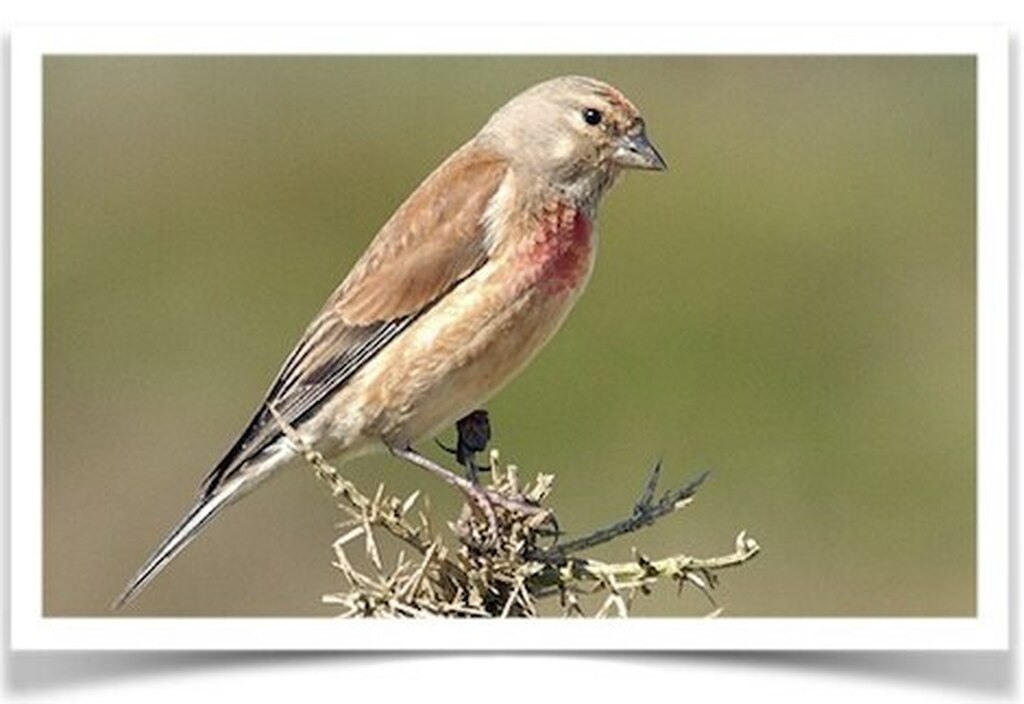
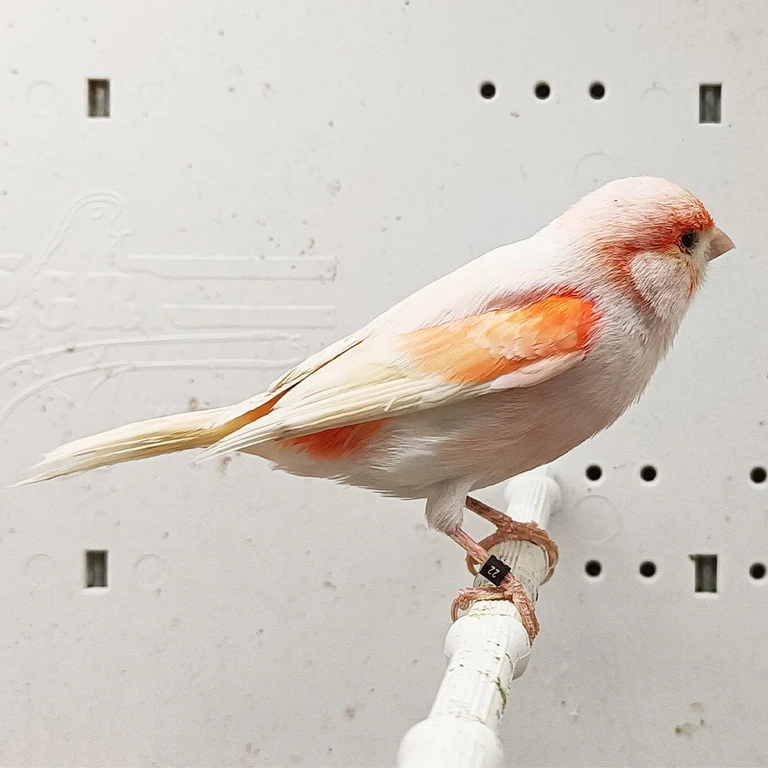
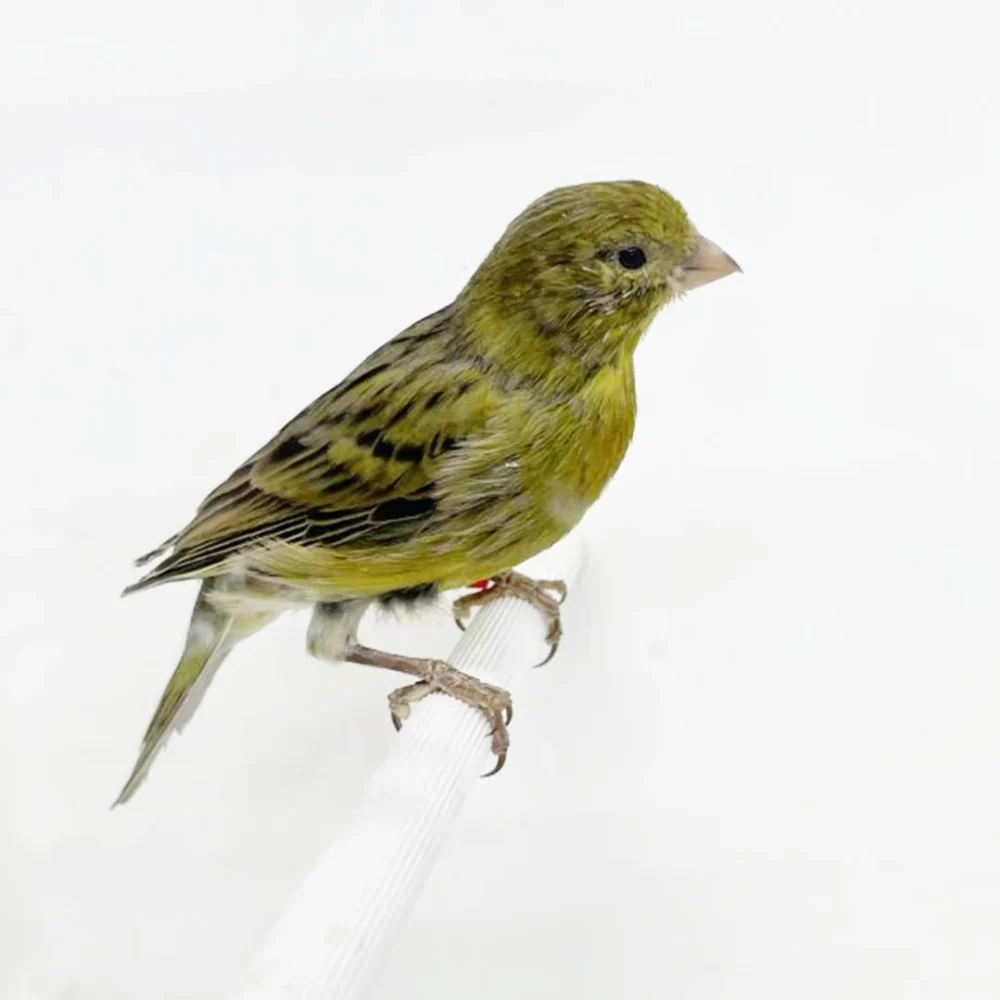
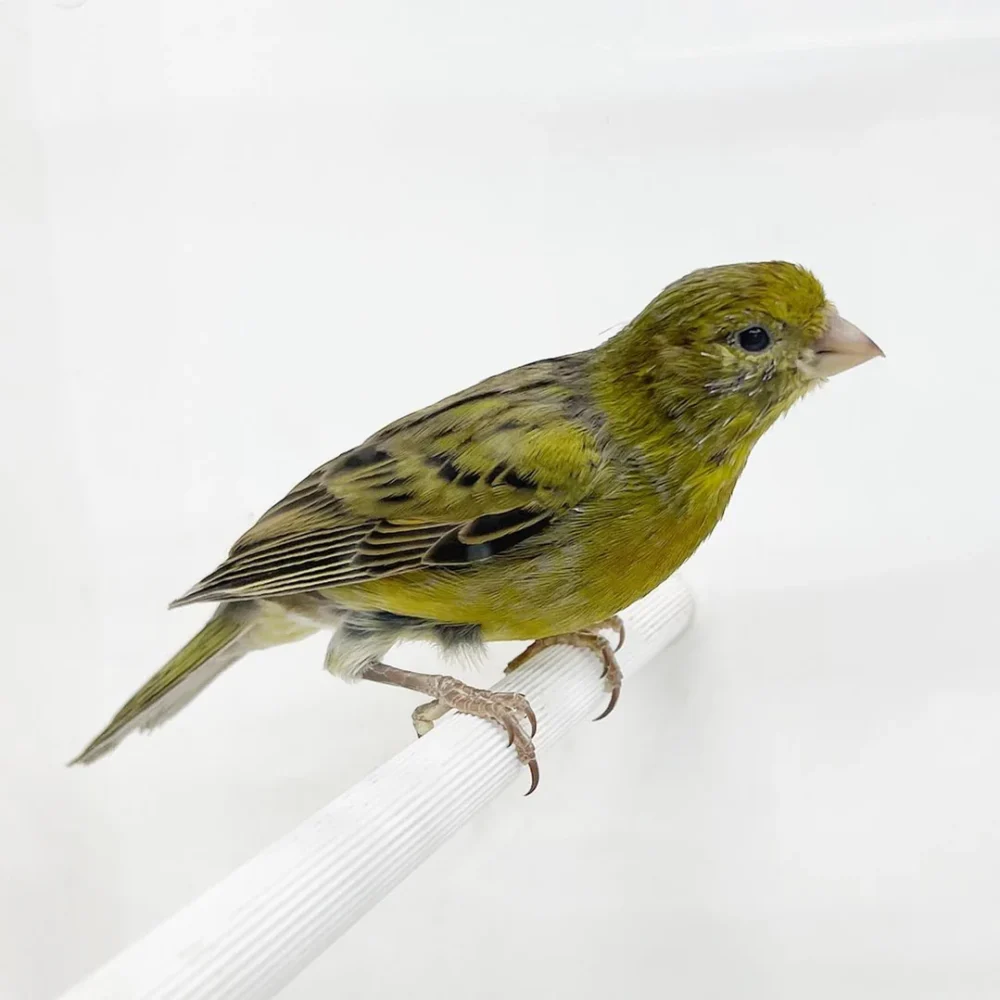
The Common Linnet (Carduelis cannabina) is a small passerine of the finch family, Fringillidae. It derives its scientific name from its fondness for hemp and its English name from its liking flax seed, from which linen is made. The common linnet is a slim bird with a long tail. The upper parts are brown, the throat is sullied white and the bill is grey. The summer male has a grey nape, red head-patch and red breast. Females and young birds lack the red and have white underparts, the breast streaked buff. Open land with thick bushes is favoured for breeding, including heathland and garden. It builds its nest in a bush, laying 4-7 eggs.The common linnet’s pleasant song contains fast trills and twitters. It feeds on the ground, and low down in bushes.
The Common Linnet (Carduelis cannabina) is a small passerine bird belonging to the finch family, Fringillidae. Its scientific name reflects its association with hemp, while the English name comes from its fondness for flax seeds.
The Common Linnet is a slender bird with a long tail. Its upperparts are generally brown, with a pale throat and gray bill. During the breeding season, the male develops beautiful reddish coloring on the head and breast.
At Aviora Haven, the Common Linnet is an appealing choice for bird enthusiasts who appreciate social finches and pleasant songbirds.
Male and female Common Linnets have noticeably different breeding plumage.
The breeding male typically has:
Females and young birds are generally brown and lack the male’s reddish coloring. Outside the breeding season, males can become much duller and may look similar to females.
Geography: United Kingdom and other parts of Europe, North Africa, and western Asia
Common Linnets prefer open areas with plenty of bushes and vegetation. They can be found in heathland, gardens, scrub, and other suitable habitats.
They spend much of their time feeding on the ground or low in bushes.
Size: Approximately 5 inches
Weight: 15–26 g
Lifespan: Up to 8 years
The Common Linnet is known for its pleasant and melodious song. Its vocalizations include fast trills and cheerful twitters.
Its attractive song was one reason the species was historically popular as a cage bird. The Linnet was especially popular during the late Victorian and Edwardian periods.
Common Linnets can usually be distinguished by their breeding plumage. Males develop reddish coloring on the head and chest, while females remain predominantly brown.
However, when the male is out of breeding color, distinguishing the sexes visually can be difficult.
If a gender option is not listed for a particular bird on our website, DNA testing may be used to determine its sex.
At Aviora Haven, DNA testing is available for an additional $149 per bird when offered for the bird being purchased. Testing may add approximately 3–6 weeks to the estimated delivery time.
See our FAQs for additional information about DNA testing.
Common Linnets are social and active finches known for their attractive song. They can be a rewarding choice for bird enthusiasts who enjoy observing natural finch behavior and vocalizations.
Common Linnets build cup-shaped nests using grass, twigs, and other plant materials. Nests are typically placed in bushes or thorny trees where they are protected by surrounding vegetation.
A typical clutch contains 4–7 eggs.
The breeding season generally runs from April through August, depending on location and environmental conditions.
A varied diet helps support the health and condition of Common Linnets. Suitable foods include:
Fresh, clean drinking water should also be provided at all times.
The Common Linnet Finch is an attractive, social bird with a pleasant song and interesting breeding plumage.
For bird enthusiasts looking for a beautiful finch with a long history as a companion bird, Aviora Haven offers the Common Linnet Finch along with information to help support proper care, nutrition, and housing.
| Sex | Male, Female, Pair |
|---|
Reviews
There are no reviews yet.