No products added!



Price range: $95.99 through $145.99
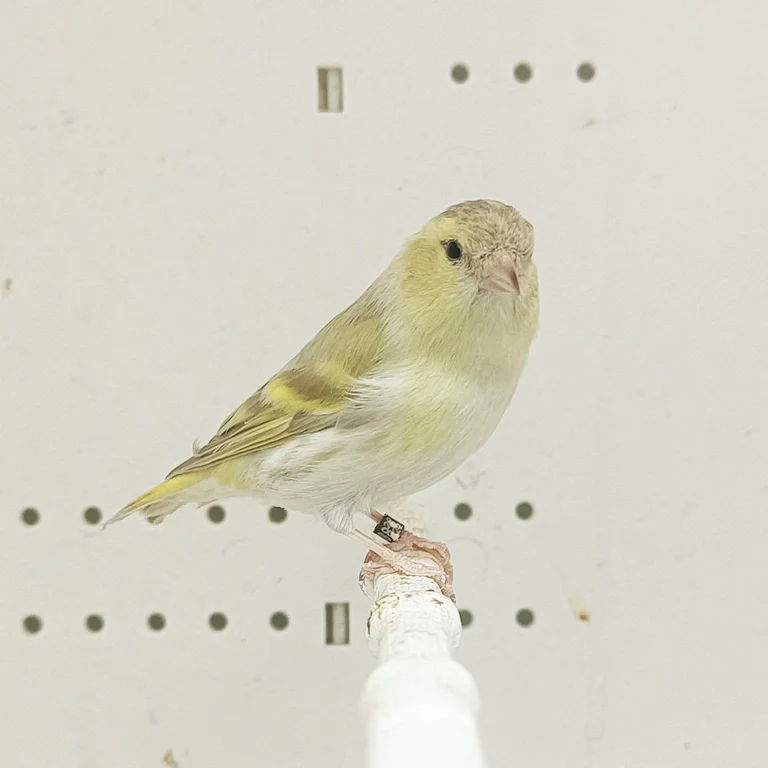
Chestnut-Throated Seedeaters for sale are sweet sounding companion pet birds and have an exotic presence in your aviary. The Chestnut-Throated Seedeater (Sporophila telasco) is a Neotropical songbird in the family Thraupidae. One local name in Chile is “corbatita” meaning little tie, as if it wears a little chestnut tie on a white shirt. The natural habitats of the chestnut-throated seedeater are subtropical or tropical dry shrubland, subtropical or tropical moist shrubland, swamps, sandy shores, and heavily degraded former forest along the pacific coast and montane uplands of Western South America, primarily Ecuador, Peru and Chile. Males possess a rich chestnut patch on the throat in breeding season, while females share a similar color pattern, but lack the throat patch, with a lighter bill, but moult into drab plumage outside of the breeding season.
The Chestnut-Throated Seedeater (Sporophila telasco) is a small and attractive Neotropical songbird in the tanager family, Thraupidae. Known for its sweet song and exotic appearance, this seedeater can be an interesting addition to a suitable aviary.
At Aviora Haven, the Chestnut-Throated Seedeater is a fascinating choice for bird enthusiasts who appreciate colorful songbirds with unique seasonal plumage.
The male develops a distinctive chestnut-colored throat patch during the breeding season. This marking resembles a small tie against a white shirt, which inspired the Chilean local name “corbatita,” meaning “little tie.”
Females have a similar overall color pattern but lack the prominent chestnut throat patch. They also have a lighter-colored bill.
Outside the breeding season, males may molt into a much duller plumage. This seasonal change helps reduce the need for bright, attention-attracting colors after breeding activities have finished.
The Chestnut-Throated Seedeater is native to Western South America. Its range includes:
It can be found in dry and moist shrublands, swamps, sandy coastal areas, and disturbed habitats. It also occurs in some montane areas along the Pacific coast.
The Chestnut-Throated Seedeater is a small songbird measuring approximately 4 inches in length. It typically weighs between 8.4 and 10.9 grams.
Despite its small size, it has a strong bill that is well suited for harvesting grass seeds.
Chestnut-Throated Seedeaters can live approximately 5 to 7 years with proper care.
Sexing is easier when the birds are in breeding plumage because males develop the distinctive chestnut throat patch.
Outside the breeding season, males and females can look much more alike, making visual identification more difficult. DNA testing may be used when a reliable gender determination is needed.
Limited information is available about their temperament in captivity. However, their behavior suggests that the Chestnut-Throated Seedeater can be a calm and gentle bird when provided with appropriate housing and care.
A spacious, secure aviary with suitable perches and natural vegetation can provide an environment where these active songbirds can move comfortably.
Chestnut-Throated Seedeaters generally breed during the rainy season in areas where seasonal rainfall occurs. During this period, fresh grasses and abundant seeds provide an important food source for adults and developing young.
Providing suitable nesting areas, nutritious food, and a quiet environment can help support natural breeding behavior.
The Chestnut-Throated Seedeater primarily feeds on seeds. A varied diet can include:
Fresh, clean drinking water should always be available.
When a bird cannot be reliably sexed visually, DNA testing can be used to determine its gender. According to the listed service information, DNA testing costs $149 per bird and may add approximately 3–6 weeks to the estimated delivery time.
The Chestnut-Throated Seedeater is a small, distinctive songbird with beautiful seasonal plumage and an interesting natural history. Its compact size, attractive markings, and seed-based diet make it an intriguing species for experienced bird enthusiasts.
Aviora Haven provides information and resources for bird lovers interested in Chestnut-Throated Seedeaters and other unique finch and songbird species.
| Sex | Male, Female, Pair |
|---|


Reviews
There are no reviews yet.