No products added!

Price range: $445.99 through $755.99
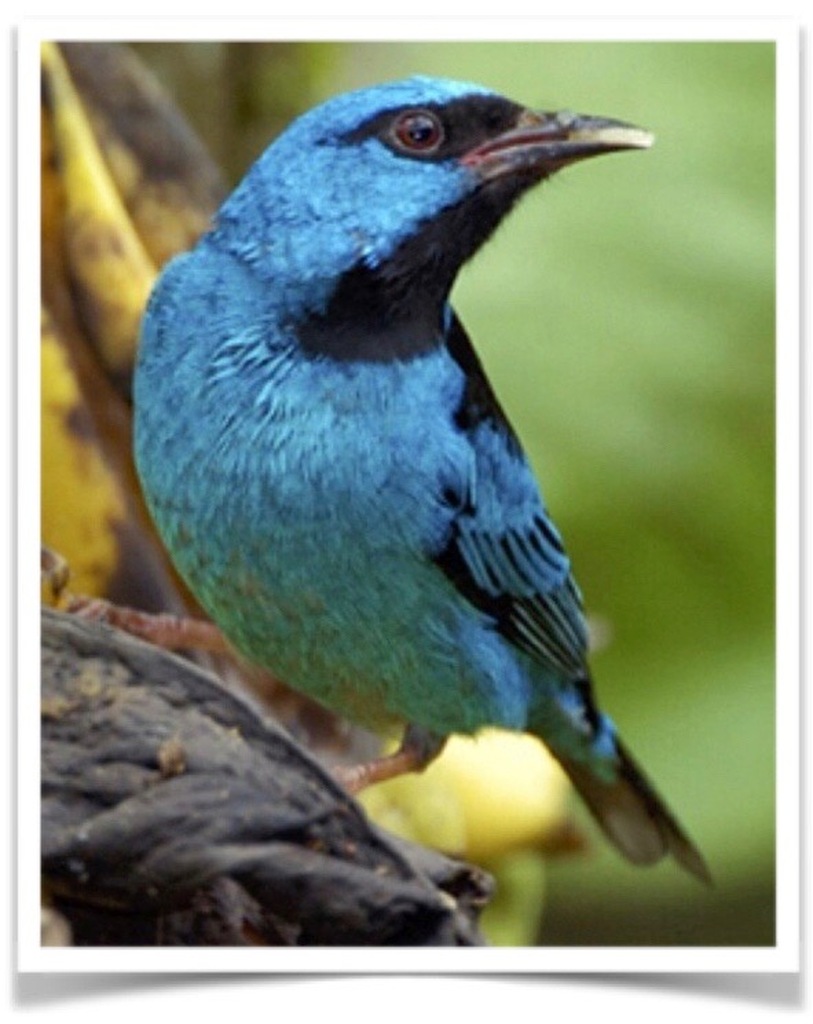
The Blue Dacnis or Turquoise Honeycreeper (Dacnis cayana) is a small passerine bird. This member of the tanager family is found from Nicaragua to Panama, on Trinidad, and in South America south to Bolivia and northern Argentina. It is widespread and often common, especially in parts of its South American range. Natural habitat includes forests and other woodlands, including gardens and parks. Despite its alternative name, it is not a honeycreeper, which are longer-billed. The adult male is turquoise blue with a black around the eyes, and on the throat and back. The wings and tail are black, edged with turquoise. The female and immature are mainly green with a blue head, paler green underparts and green-edged brown wings.
The Blue Dacnis, also known as the Turquoise Honeycreeper (Dacnis cayana), is a small and colorful passerine bird. It belongs to the tanager family and is known for its striking blue and green plumage.
The Blue Dacnis is found from Nicaragua and Panama through Trinidad and across much of South America. Its range extends south to Bolivia and northern Argentina.
This species is widespread and locally common in parts of South America. Its natural habitat includes forests, woodlands, gardens, and parks.
Despite the name Turquoise Honeycreeper, the Blue Dacnis is not a true honeycreeper. True honeycreepers have longer, more specialized bills.
At Aviora Haven, the Blue Dacnis is an appealing choice for bird enthusiasts who appreciate colorful and active species.
Adult male Blue Dacnis are especially striking. They have bright turquoise-blue plumage with black around the eyes, throat, and back.
The wings and tail are black with turquoise edges.
Females and immature birds look different from adult males. They are mainly green with a blue head and paler green underparts. Their wings are brown and edged with green.
Geography: South America, Nicaragua, Panama, and Trinidad
Blue Dacnis can be found in a variety of wooded habitats. They may also visit gardens and parks where suitable food is available.
Size: Approximately 4.5 inches
Weight: 10–15.5 grams
Blue Dacnis are social and active birds. They are often seen alone, in pairs, or in small groups.
Groups of up to twelve birds have also been reported. They may join mixed-species flocks while searching for food.
Blue Dacnis often follow other birds to fruiting trees. They usually forage high in trees, especially when searching for insects.
A suitable enclosure should provide enough space for movement and plenty of natural perches.
Blue Dacnis build deep, pouch-like nests. The nests are made from soft fibers and seed down.
The nest is usually suspended between leafy twigs near the outer part of a tree.
A typical clutch contains 2 eggs. The eggs are white with dark markings.
The female incubates the eggs while the male provides food for her during incubation.
Providing a quiet environment, suitable nesting materials, and appropriate food can help support successful breeding.
Blue Dacnis enjoy a varied diet that includes fruits and insects.
Suitable foods can include:
Fresh foods should be clean and offered in appropriate portions. Mealworms can provide an additional source of animal protein.
Blue Dacnis are active birds that benefit from a spacious enclosure. An aviary with plenty of room to fly and climb can provide a more natural environment.
Add suitable branches and perches at different heights. Vegetation can also provide cover and encourage natural behaviors.
Because Blue Dacnis naturally forage in trees, vertical space is particularly useful.
The Blue Dacnis is a beautiful bird with vibrant turquoise-blue coloration and interesting social behavior. Its striking appearance makes it an attractive addition to a suitable aviary.
At Aviora Haven, we provide information for bird enthusiasts interested in colorful and unique aviary species. If you are looking for a Blue Dacnis for sale, learn about its diet, housing, temperament, and breeding needs before bringing one into your collection.
If there is no gender option listed for a bird on our website, that species may be monomorphic, meaning males and females cannot be reliably identified by appearance alone.
DNA testing is available when a confirmed gender is required. The cost is an additional $149 per bird. Testing may add approximately 3–6 weeks or more to the estimated delivery time while the results are processed.
Please see our FAQs for additional information about DNA testing, shipping, and bird availability.
| Sex | Male, Female, Pair |
|---|
Reviews
There are no reviews yet.