No products added!


Price range: $279.99 through $555.99
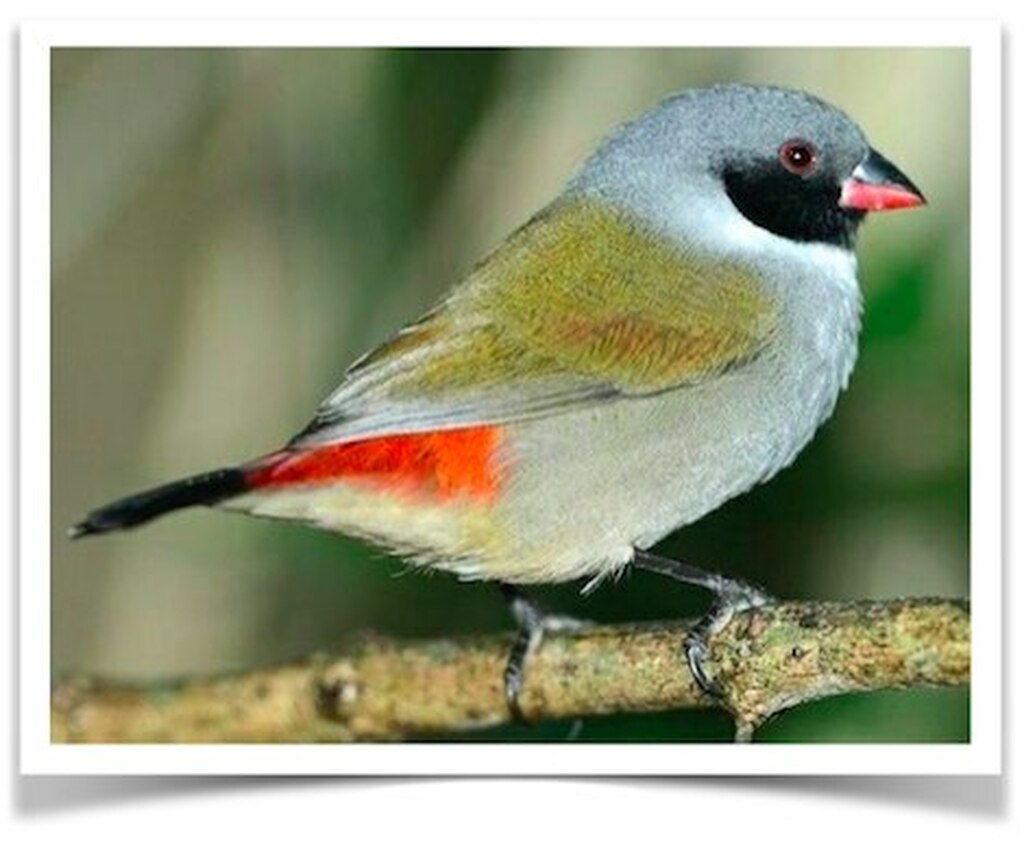
The Black-faced Swee (Coccopygia melanotis), or Swee Waxbill, is a common species of estrildid finch found in South Africa. They have a grey head and breast with a pale yellow belly, olive colored back and wings, red on their lower back and rump, and a black tail. Their upper bill is black and the lower bill is red. The males have a black face but the female’s face is gray. Juveniles are much duller than the female and they have an all black bill. The Black-faced Swee’s natural habitat is from sea level to 1800′ in open grasslands, shrubby grass, and the coastal bush. Buy Black-faced Swee Waxbill Online
The Black-faced Swee Waxbill (Coccopygia melanotis), also known as the Swee Waxbill, is a charming estrildid finch native to South Africa. These active and tame birds are often seen in small groups and can be an appealing addition to a suitable aviary.
The Black-faced Swee has a grey head and breast, a pale yellow belly, and an olive-colored back and wings. The lower back and rump are red, while the tail is black. The upper bill is black and the lower bill is red.
Adult males have a distinctive black face, while females have a grey face. Juveniles are considerably duller than adults and have an entirely black bill.
At Aviora Haven, we recommend learning about the species’ housing, diet, and breeding requirements before adding Black-faced Swee Waxbills to your aviary.
The Black-faced Swee is native to South Africa. It can be found from sea level to approximately 1,800 feet in a variety of open habitats.
Its natural environments include:
Providing vegetation and sheltered areas in captivity can help these birds feel secure.
The Black-faced Swee has a soft and pleasant vocalization. You can listen to a recording of the species to become familiar with its song and calls.
Black-faced Swee Waxbills are easy to sex once they reach adult plumage.
The Black-faced Swee is generally a tame, peaceful, and social bird. It is commonly seen in small groups and can be an enjoyable species for a suitable mixed aviary.
As with any finch, birds should be monitored when introduced to new companions to ensure that all individuals are eating properly and getting along.
During courtship, the male approaches the female with an upright posture and his bill pointed slightly downward. He fluffs his feathers, bends his tail toward the female, and produces a soft, rapid song.
During more intense courtship, the male may stand beside his mate and repeatedly perform a bouncing or bowing display.
The nest is loosely constructed from dry grass and formed into a ball with a side entrance. A short spout may extend from the entrance and is often lined with grass heads and feathers.
Black-faced Swee Waxbills usually build their nests low to the ground, concealed among bushes or climbing vegetation.
A varied diet can help support the health and condition of Black-faced Swee Waxbills. Suitable foods may include:
Fresh, clean drinking water should always be available.
If a gender option is not listed for a particular bird on the Aviora Haven website, that species may be difficult to sex reliably at the time of purchase. DNA testing is available for an additional $149 per bird to help guarantee the preferred gender.
DNA testing may add approximately 3–6 or more weeks to the estimated delivery time because additional time may be needed to obtain the gender results. Please refer to the Aviora Haven FAQs for more information.
The Black-faced Swee is an attractive and sociable African finch with distinctive male and female coloration. With appropriate housing, a suitable diet, and enough vegetation for shelter and nesting, these birds can be rewarding aviary residents.
Aviora Haven provides information for bird enthusiasts who want to better understand the care, behavior, diet, and breeding requirements of this fascinating species.
Buy Black-faced Swee Waxbill Online from Aviora Haven and learn more about this beautiful South African finch.
| Sex | Male, Female, Pair |
|---|
Reviews
There are no reviews yet.