No products added!
Price range: $85.99 through $125.99
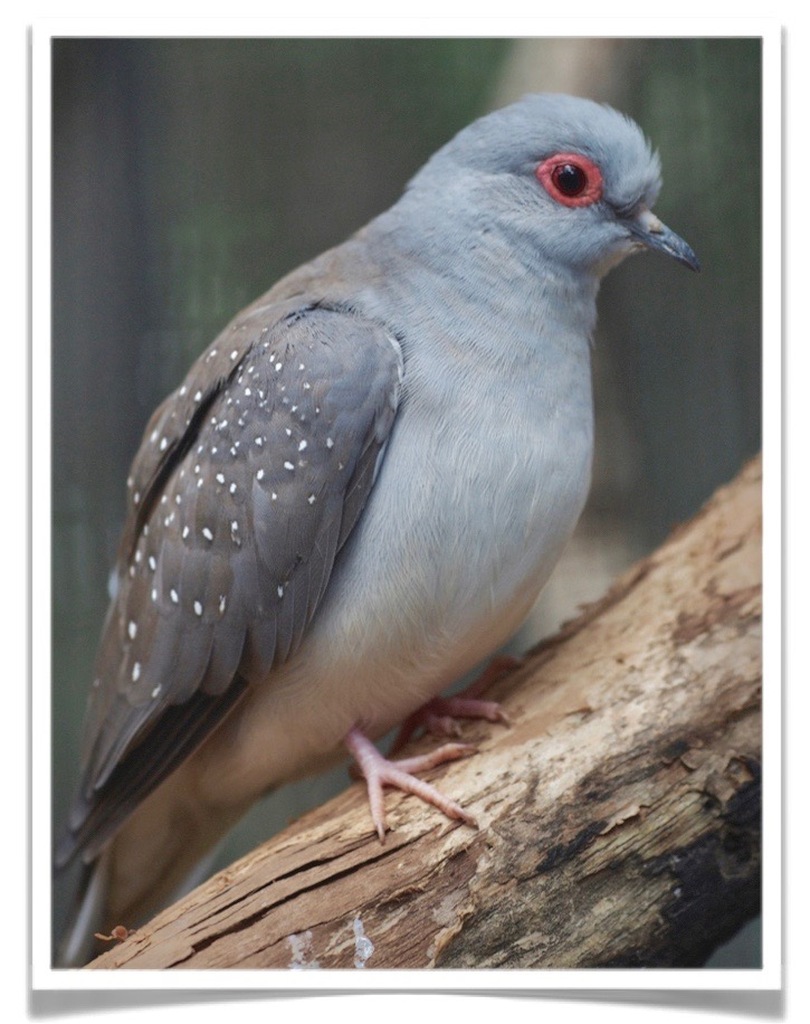
Looking for a gentle, attractive, and beginner-friendly aviary bird? Aviora Haven presents the Diamond Dove (Geopelia cuneata), also known as the Little Turtle Dove.
The Diamond Dove is one of the smallest dove species native to Australia. Its peaceful temperament, beautiful appearance, and relatively simple care requirements have made it a popular choice for aviaries.
Diamond Doves can be a good choice for beginners when provided with appropriate housing, nutrition, companionship, and a safe environment.
Looking for a gentle, attractive, and beginner-friendly aviary bird? Aviora Haven presents the Diamond Dove (Geopelia cuneata), also known as the Little Turtle Dove.
The Diamond Dove is one of the smallest dove species native to Australia. Its peaceful temperament, beautiful appearance, and relatively simple care requirements have made it a popular choice for aviaries.
Diamond Doves can be a good choice for beginners when provided with appropriate housing, nutrition, companionship, and a safe environment.
Diamond Doves are native to the dry central regions of northern and central Australia.
They are naturally adapted to warm, open environments and spend considerable time foraging and walking on the ground.
Diamond Doves have several different vocalizations.
One of their longer-distance calls may consist of a series of coos separated by pauses. They may also use shorter versions of these calls for communication.
Captive Diamond Doves can sometimes respond to or imitate sounds they regularly hear in their environment.
Diamond Doves are generally gentle, peaceful, and relatively easy to handle. They are not known for aggressive biting, although every bird should be handled calmly and respectfully.
They are not always the best choice for young children who expect a bird that enjoys frequent holding and petting. Diamond Doves are often better suited to people who enjoy observing their natural behaviors in an aviary.
These doves are social birds. If they are not closely bonded with people, providing a compatible dove companion can help meet their social needs.
Diamond Doves should not be housed with large or aggressive birds because their gentle nature makes them vulnerable to bullying or injury.
Diamond Doves spend a significant amount of time walking and foraging on the ground. Therefore, they need a wide, safe living area rather than a small, narrow cage.
A spacious aviary is ideal because it provides room for flying, walking, and natural movement.
Avoid wire-bottomed cages whenever possible. Since Diamond Doves spend so much time on the floor, a solid, cleanable floor is more comfortable and safer for their feet.
Keep the floor clean and dry, and provide perches that are spaced far enough apart for safe flight.
Diamond Doves can build relatively simple and fragile nests. An open-topped nest basket can provide a suitable nesting location.
The male typically begins the courtship process by selecting a potential nesting site and calling to attract a female. Once the pair accepts the site, the male gathers materials such as small twigs and grasses while the female arranges them into the nest.
Because Diamond Dove nests can be delicate, providing appropriate nesting materials and a secure location is important during breeding.
With proper care, Diamond Doves commonly live approximately 10–14 years or longer in captivity. Some individuals have reportedly lived considerably longer.
Providing a nutritious diet, clean housing, appropriate temperatures, and regular veterinary care can help support a healthy lifespan.
Diamond Doves naturally consume seeds and other plant foods. A balanced captive diet can include:
Diamond Doves swallow seeds whole, so access to appropriate mineral grit can support normal digestion.
Fresh, clean drinking water should always be available.
Diamond Doves are sensitive to cold temperatures and drafts. Their enclosure should be protected from cold air and sudden temperature changes.
During colder weather, appropriate supplemental heating may be necessary. Any heating equipment should be designed for use around birds and positioned safely to prevent burns, overheating, or other hazards.
Diamond Doves are relatively easy to care for when their basic needs are met. Provide a spacious and secure environment, clean flooring, suitable perches, fresh water, a balanced diet, and opportunities for natural movement.
Regularly clean the enclosure and monitor your birds for changes in appetite, behavior, activity, or appearance.
At Aviora Haven, we aim to provide bird enthusiasts with helpful information about companion and aviary birds.
The Diamond Dove can be an excellent choice for someone looking for a peaceful and attractive aviary bird. Its gentle nature, small size, distinctive appearance, and pleasant vocalizations make it a rewarding species for both experienced keepers and responsible beginners.
If gender cannot be determined visually, DNA testing may be used to identify whether a Diamond Dove is male or female.
DNA testing may involve an additional fee and can extend the estimated processing or delivery time. Please contact Aviora Haven for current availability, gender-testing options, and additional information.
| Sex | Male, Female, Pair |
|---|
Reviews
There are no reviews yet.