No products added!


Price range: $85.99 through $145.99
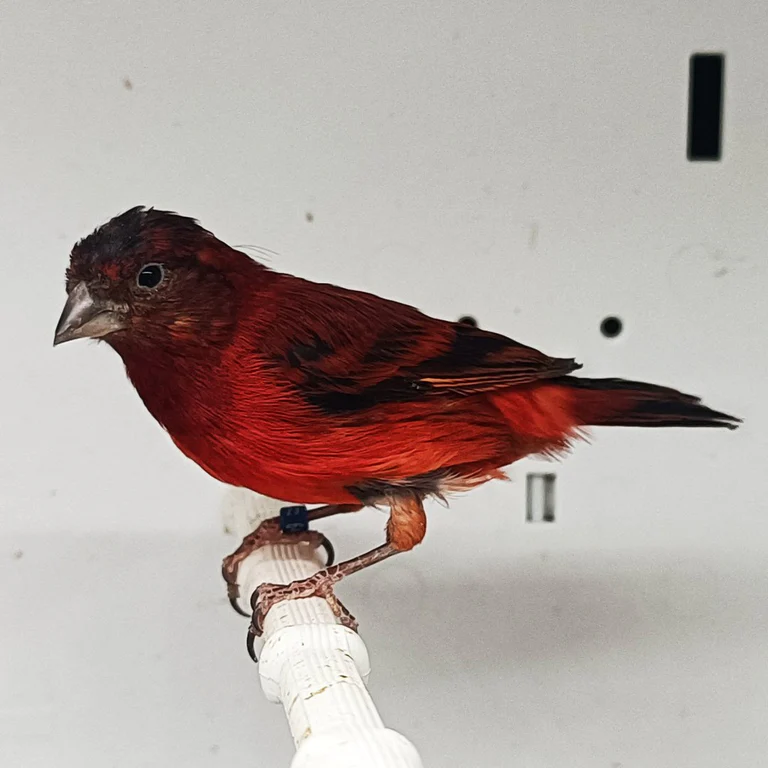
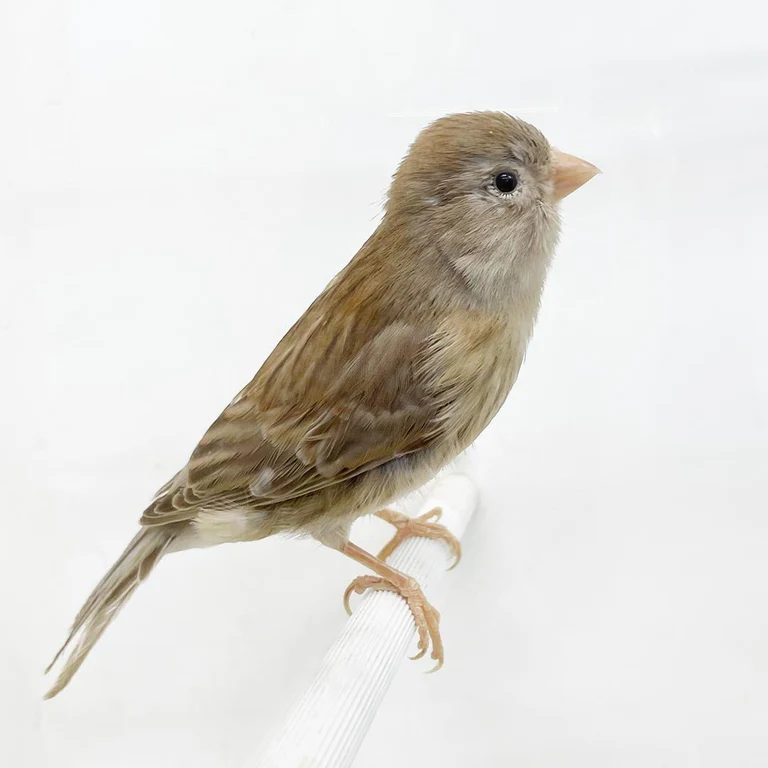
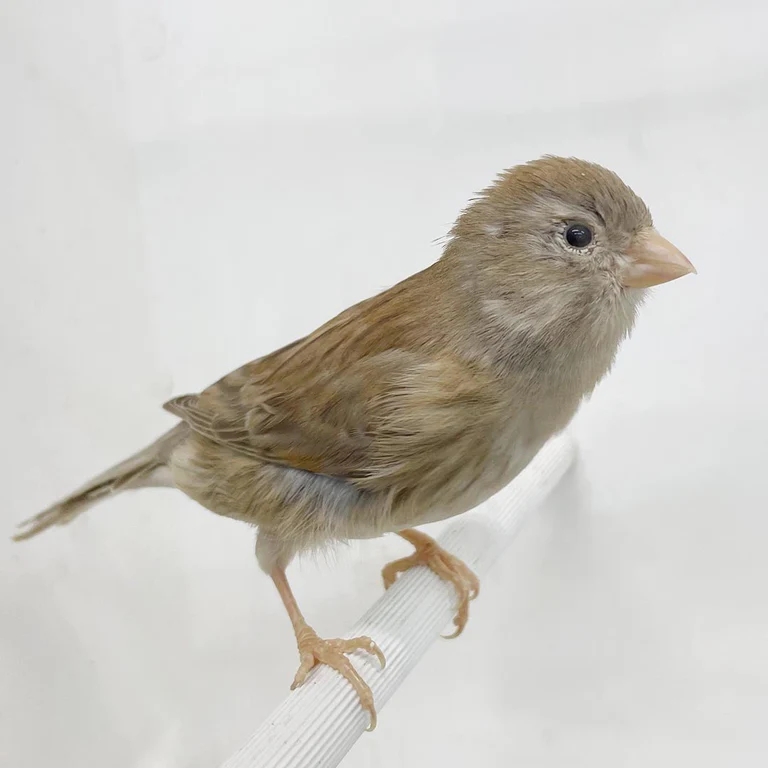
Red-winged pytilias for sale, (Pytilia phoenicoptera), are also known as the Aurora Finch, and is a common species of estrildid finch found in Africa. It has an estimated global extent of occurrence of 370,000 km. It is found at Benin, Burkina Faso, Cameroon, Central African Republic, Chad, The Democratic Republic of the Congo, Côte d’Ivoire, Ethiopia, Gambia, Ghana, Guinea, Guinea-Bissau, Mali, Niger, Nigeria, Senegal, Sierra Leone, Sudan, Togoand Uganda. The IUCN has classified the species as being of least concern. The red-billed pytilia (Pytilia lineata) was recently split from this species.
The Red-winged Pytilia (Pytilia phoenicoptera), also known as the Aurora Finch, is a beautiful estrildid finch native to Africa. At Aviora Haven, we highlight this attractive species for bird enthusiasts who appreciate colorful and active aviary birds.
Red-winged Pytilias are found across many parts of Africa, including Benin, Burkina Faso, Cameroon, the Central African Republic, Chad, the Democratic Republic of the Congo, Côte d’Ivoire, Ethiopia, Gambia, Ghana, Guinea, Guinea-Bissau, Mali, Niger, Nigeria, Senegal, Sierra Leone, Sudan, Togo, and Uganda.
The species has an estimated global extent of occurrence of about 370,000 km². The IUCN currently classifies the Red-winged Pytilia as Least Concern. The Red-billed Pytilia (Pytilia lineata) was previously considered part of this species but has since been recognized as a separate species.
Red-winged Pytilias are often seen in pairs or small groups. They may also associate with weavers and other finches. They usually feed on the ground but spend much of their time perched in trees. When alarmed, they may freeze, crouch, and raise their tail vertically.
Geography: Africa
Song / Call: Click to listen to the Red-winged Pytilia
Size / Weight: 4.9 inches / 20 g
Lifespan: 7 to 8 years
Sexing: Males and females look similar. However, females usually have less intense red coloring. They also have more even barring that extends farther up the breast. Females are generally paler and browner than males.
The Red-winged Pytilia is generally suitable for a mixed aviary with compatible species. It is considered a “push” bird and can mix well with other push species, including crown weavers.
As with any mixed aviary, birds should be monitored closely after introduction. Providing enough space, food stations, perches, and hiding areas can help reduce competition.
Red-winged Pytilias form monogamous pairs. They build solitary nests, and both the male and female help construct the nest.
A quiet, secure breeding area with suitable nesting materials can help encourage natural breeding behavior. Aviora Haven recommends providing birds with an appropriate environment and monitoring breeding pairs regularly.
A varied diet is important for maintaining healthy Red-winged Pytilias. Their diet can include:
Live food is especially important during the breeding season because Red-winged Pytilias are highly insectivorous. Calcium should also be available at all times.
Suitable calcium sources include cuttlefish bone, crushed eggshell, or oyster shell. Mineral grit can also be provided as part of a balanced aviary diet.
Red-winged Pytilias can be difficult to sex visually. If a gender option is not available for a bird on the Aviora Haven website, DNA testing may be available to help determine the bird’s sex.
DNA testing costs an additional $149 per bird. Testing may add approximately 3–6 weeks to the estimated delivery time because the gender results must be received before shipping.
For more information about availability, gender testing, and care requirements, please contact Aviora Haven.
| Sex | Male, Female, Pair |
|---|
Reviews
There are no reviews yet.