No products added!


Price range: $155.99 through $255.99
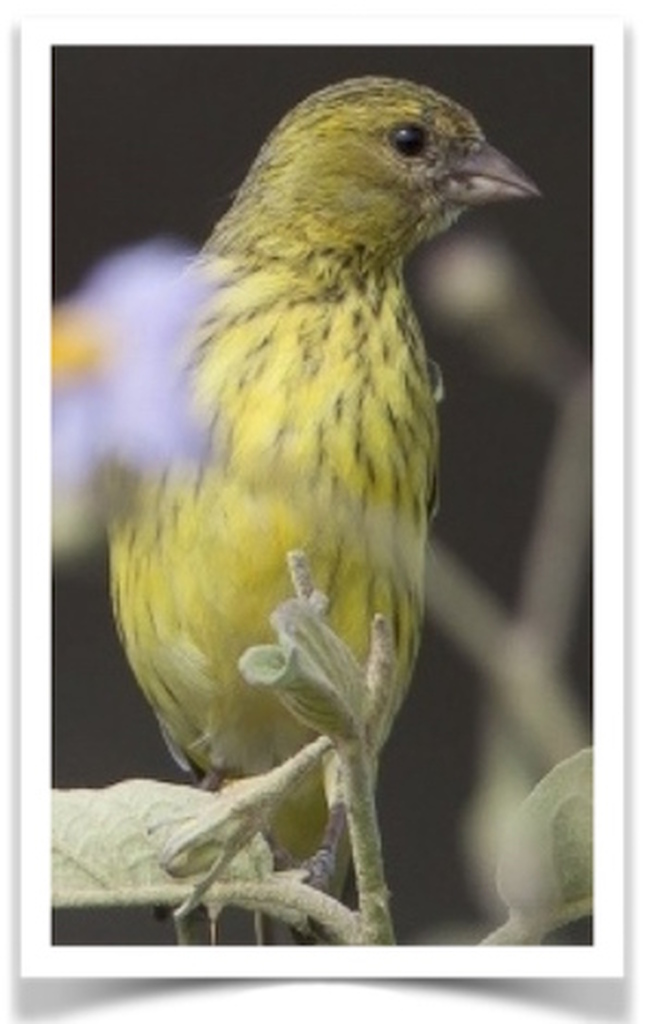
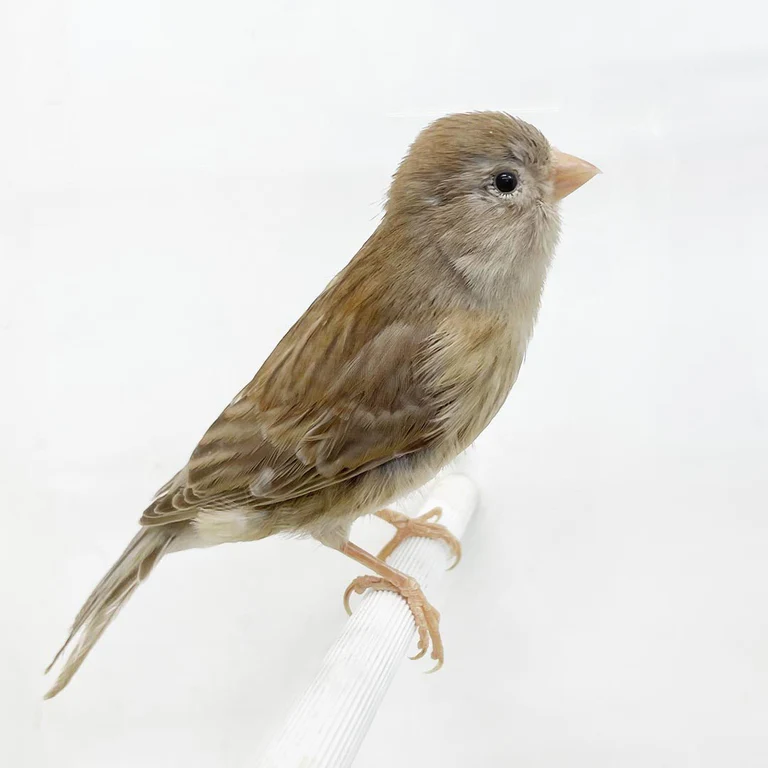
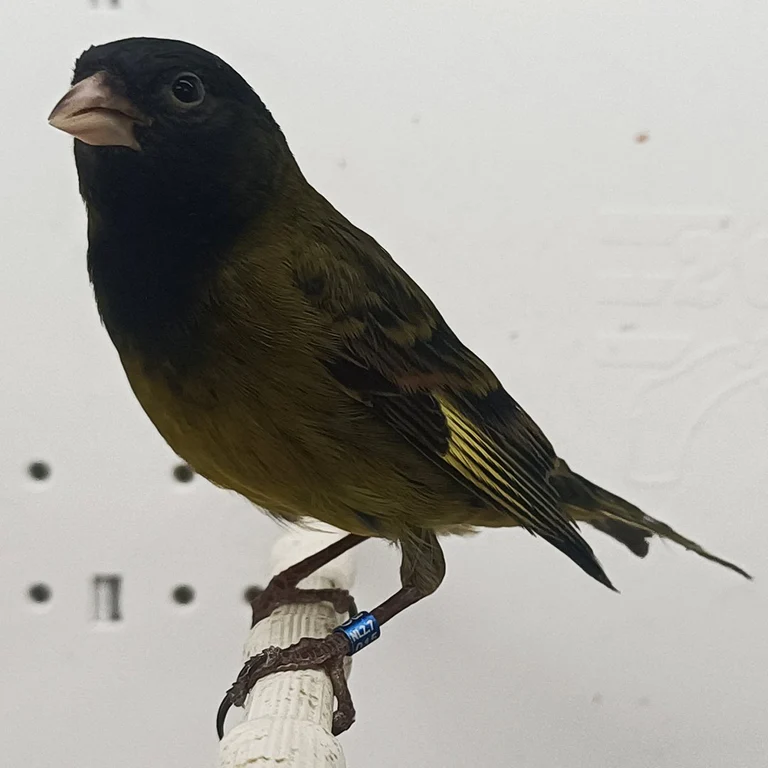
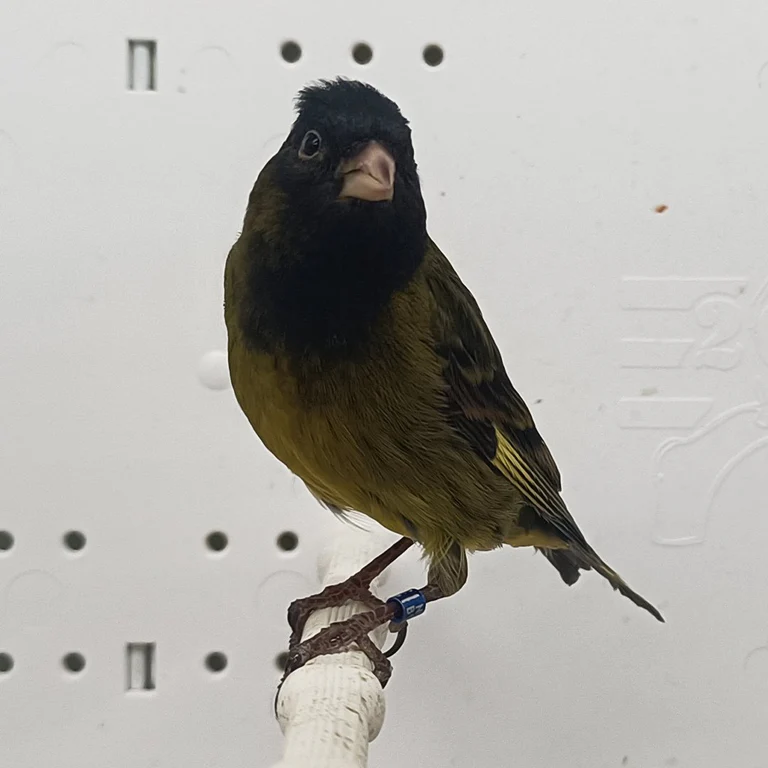
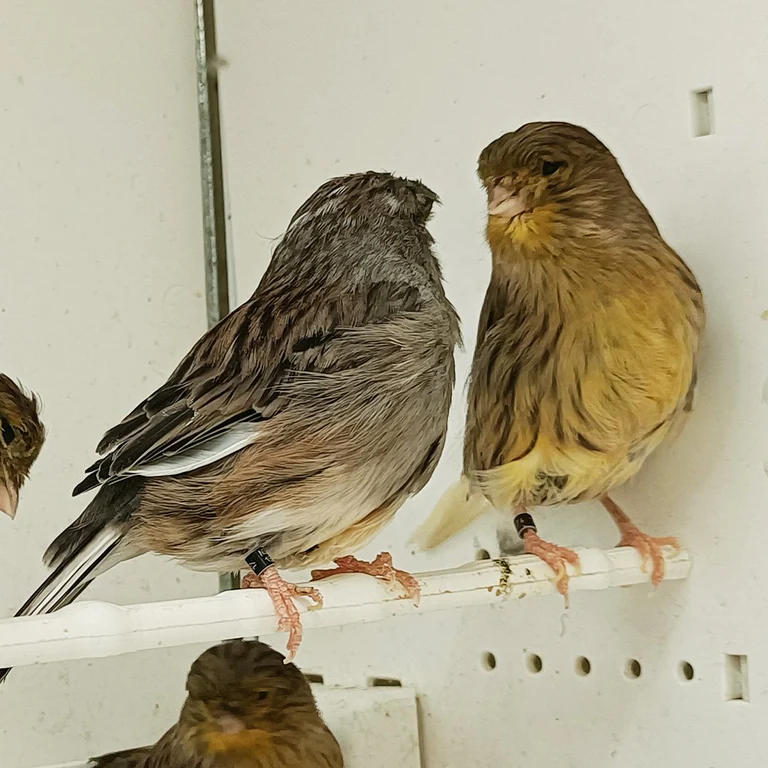
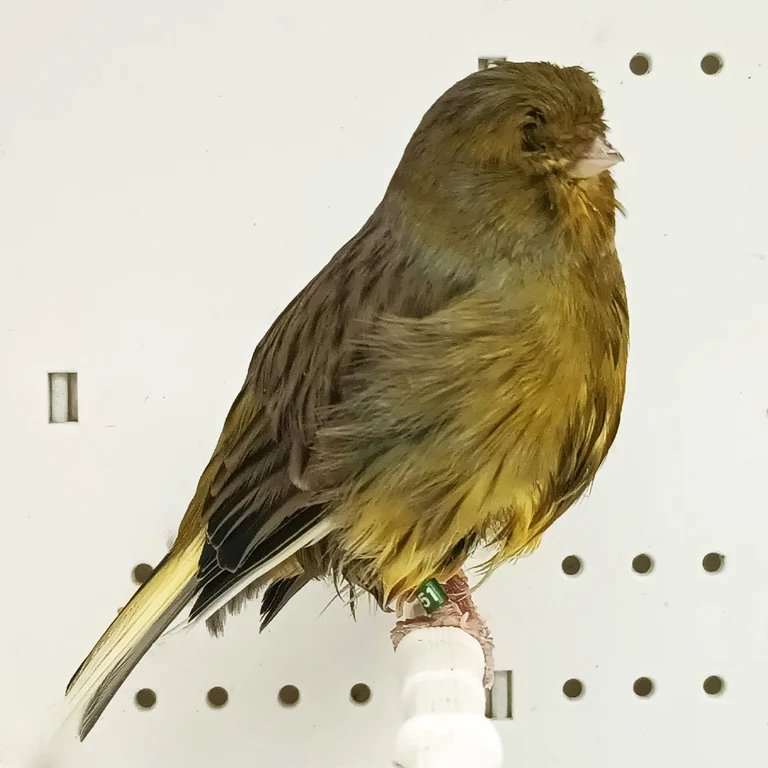
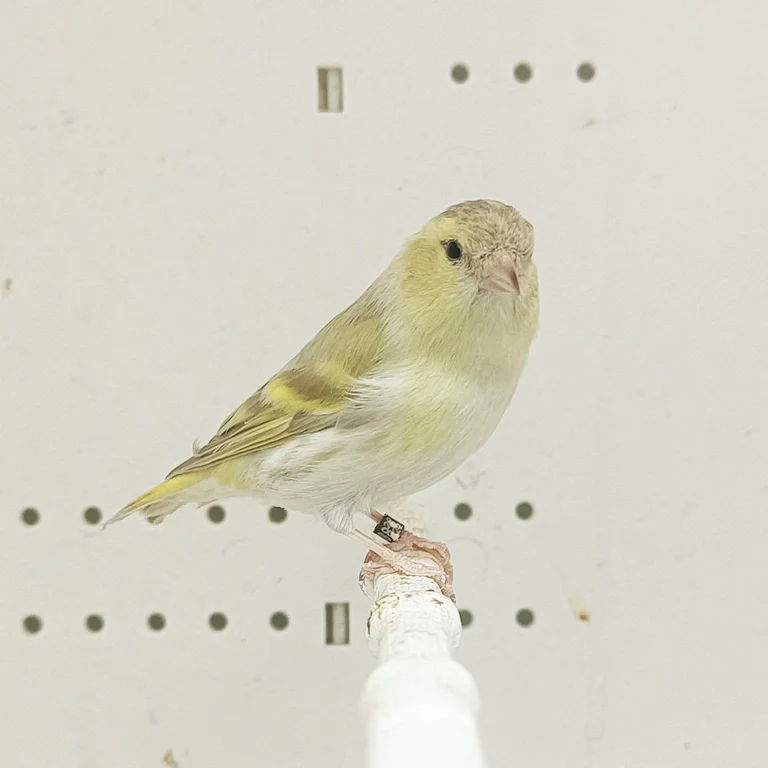
The African Citril Finch (Crithagra citrinelloides), also known as the Abyssinian Citril, is a species of African Finch. The African Citril Finch originates in Ethiopia, Eritrea to Western Kenya. The African Citril Finch is closely related to the Western and Southern Citril, to which it was formerly considered conspecific. From the Western Uganda the African Citril Finch can show a black face and bright yellow supercilium (plumage feature found on the heads of some bird species) or none at all. The upperparts of the African Citril finch for sale are green, dark-streaked or blackish, underparts of males are bright yellow or dull yellowish-green with rather heavy streaking on breast and flanks. The song of the African Citril is loud and Canary or Linnet-like, but sweeter in tone, with a clean piping whistle of three or four notes ‘tweet-ti-tu’.Buy African Citril Finch Online
The African Citril Finch (Crithagra citrinelloides), also known as the Abyssinian Citril, is a beautiful African finch. It is native to parts of East Africa, including Ethiopia, Eritrea, and western Kenya.
The African Citril Finch is closely related to the Western and Southern Citrils. These birds were previously considered part of the same species.
African Citrils have green upperparts with dark streaks. In some birds from western Uganda, the face may be black with a bright yellow eyebrow, known as the supercilium. Other birds may lack this marking.
Males can have bright yellow or dull yellowish-green underparts. Their breasts and flanks often show noticeable dark streaking. At Aviora Haven, this attractive finch is valued for its peaceful nature and pleasant song.
Geography: Africa, including southern Kenya, Tanzania, Malawi, Zimbabwe, and northern Mozambique
Song / Call: Click to hear the African Citril song
Size: Approximately 4.5 inches
Lifespan: About 3–7 years
Sexing: Monomorphic. Males and females can be difficult to distinguish visually. DNA testing is available when gender confirmation is required.
The African Citril has a clear and pleasant song. Its voice is often compared with Canary or Linnet songs, but it has a sweeter tone.
The song includes clean piping whistles and may sound like a series of three or four notes.
African Citrils are generally peaceful with their own species and other compatible finches. They often feel more secure in enclosed or well-covered environments than in exposed wire cages.
Their calm temperament and attractive song make them an interesting choice for a suitable aviary.
African Citrils are considered fairly easy to breed when their housing and diet are suitable. They can enter breeding condition from late December through March.
Suitable nesting options include:
Privacy is important during breeding. Adding artificial greenery, flowers, or pine branches can provide useful visual cover around the nest.
A quiet and secure nesting area can help breeding pairs feel comfortable and reduce disturbance.
A varied diet is important for maintaining healthy African Citrils. Suitable foods include:
Fresh greens can provide additional variety. Clean drinking water should also be available at all times.
African Citrils are monomorphic, so visual sexing can be difficult. If a gender option is not listed for a bird on the Aviora Haven website, DNA testing may be available to confirm the bird’s sex.
DNA testing costs an additional $149 per bird. Testing may add approximately 3–6 weeks to the estimated delivery time because the gender results must be received before shipment.
For more information about African Citril Finches, care, availability, breeding, or DNA testing, please contact Aviora Haven.
| Sex | Male, Female, Pair |
|---|
Reviews
There are no reviews yet.